
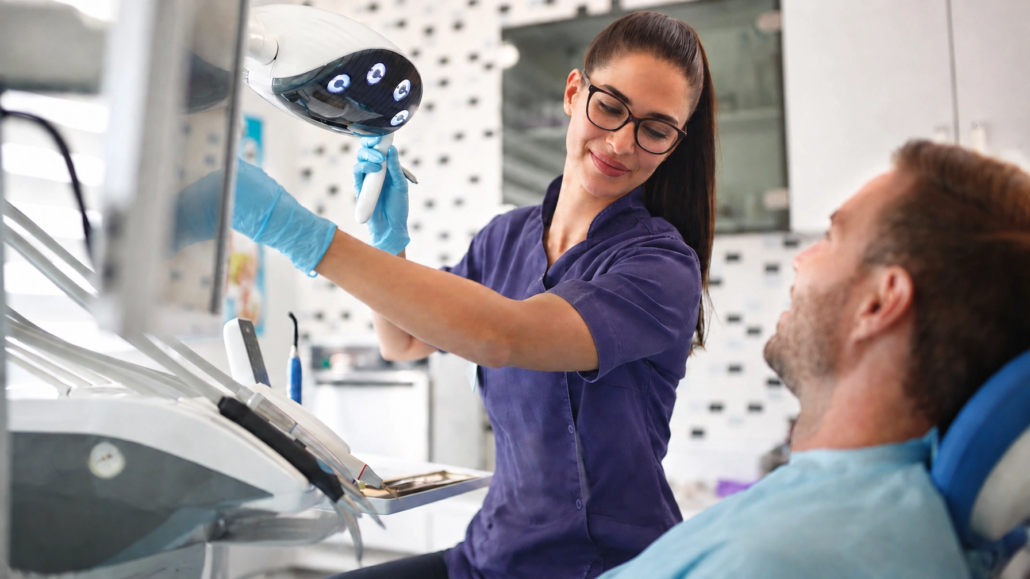
Dental Practice Finance: Fund Equipment and Fit-Outs
Could your practice invest in new equipment or refurbish a surgery without paying the full cost upfront? Dental practice finance can help you spread the cost of equipment, technology and fit-outs into regular payments, while keeping more cash available for day-to-day commitments.
The right solution depends on what you are funding, how long you expect to use it and how your practice is structured. Below, we explain the main options and the practical points to consider.
What is dental practice finance?
Dental practice finance is funding arranged to acquire business assets through options such as leasing, hire purchase or a business loan. Instead of paying the full purchase price in one go, your practice makes agreed payments over a set term.
It can help you plan larger investments alongside costs such as wages, lab fees, materials and associate payments. For an overview of funding options for businesses, see our guide to asset finance in the UK.

What can dental equipment finance cover?
Are you replacing a single item or equipping a whole surgery? Depending on the lender and proposal, finance may cover a wide range of equipment and project costs, including:
- Clinical equipment: dental chairs and units, X-ray equipment, CBCT and OPG imaging, and intraoral scanners.
- Digital dentistry: CAD/CAM milling equipment and practice management software.
- Decontamination and utilities: sterilisation equipment, compressors and suction systems.
- Laboratory equipment: dental laboratory tools and machinery.
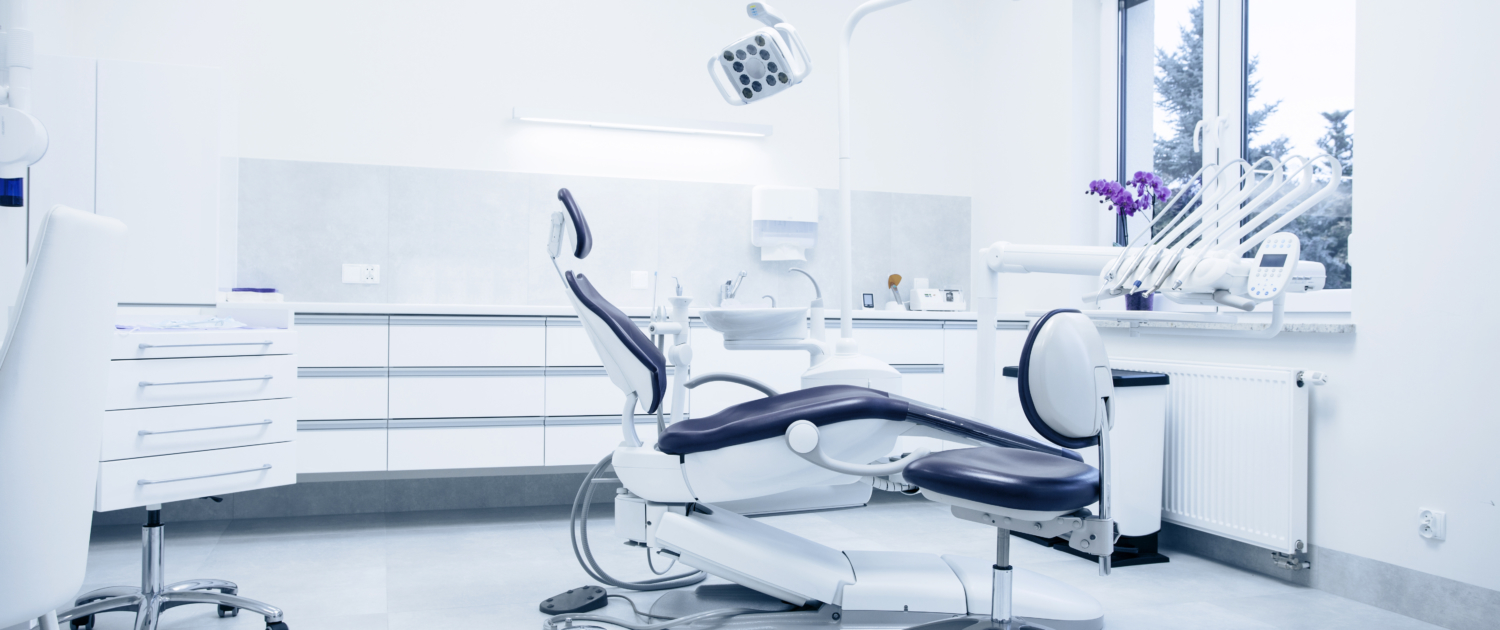
- Practice improvements: cabinetry, treatment-room refurbishment and complete surgery or practice fit-outs.
The finance structure will depend on the assets, supplier invoices, project scope and your practice’s circumstances. If you are planning a dental practice fit-out, it can be useful to bring equipment and installation costs together early so you can understand the full funding requirement.
Why finance an investment rather than pay outright?
Would a large upfront payment limit your room to manage other costs? Finance can be a strategic way to balance investment with cash flow management. It may help your practice to:
- Preserve working capital for wages, lab fees, materials and associate costs.
- Spread the cost of equipment across a term that reflects how long it is expected to be used.
- Invest in more than one asset at a time, where the overall commitment remains affordable.
- Plan cash flow with regular payments that are easier to include in budgets and forecasts.
- Upgrade technology sooner rather than waiting until you have saved the full purchase price.
These benefits need to be weighed against the total cost of finance. A lower initial outlay does not necessarily mean a lower overall cost.
Lease or hire purchase: what is the difference?
Do you want to own the equipment, or keep your options open for an upgrade? Lease and hire purchase are different agreements, so check the terms rather than relying on the product name alone.
| Option | In simple terms | Points to consider |
|---|---|---|
| Hire purchase (HP) | Your practice pays instalments towards the asset and will usually own it once all payments and any required final payment have been made. | If the arrangement qualifies, the practice may be able to claim capital allowances on the asset’s eligible cost. The precise treatment depends on your business and the agreement. |
| Lease | Your practice pays to use the asset for an agreed period but does not usually own it under a standard lease. | Rental payments are generally treated as a business expense for a genuine operating lease, subject to the rules. Leasing may suit practices that value flexibility or plan to upgrade technology. |
With qualifying HP, capital allowances may be available on the asset’s eligible cost, often through the Annual Investment Allowance (AIA), subject to the current rules and your circumstances. The tax position can differ for a sole trader or partnership using the cash basis, and lease accounting depends on the agreement’s classification. Ask your accountant to confirm the treatment before you commit. HMRC explains the general rules in its capital allowances guidance.
A practical VAT point for dental practices
Could VAT add significantly to your equipment budget? Many dental practices make exempt supplies of clinical dental care. A practice that makes only exempt supplies will generally be unable to recover the VAT charged on purchases used to make those supplies. If your practice also makes taxable supplies, your VAT recovery may depend on how the costs relate to those activities and your partial-exemption position.
The way VAT affects the payments can differ:
- Hire purchase: VAT is normally charged on the equipment price at the outset. If your practice cannot recover it, the irrecoverable VAT will generally add to the cost of the asset.
- Lease: VAT is generally charged on rental payments as they fall due. If it cannot be recovered, it adds to the cost of those rentals.
The exact VAT treatment depends on the agreement and your practice’s activities. HMRC’s guidance explains the VAT treatment of dentists’ supplies and partial exemption. Treat this as a general summary, not VAT advice: ask your accountant to confirm how VAT applies to your practice and the proposed finance agreement.
What should you check before taking finance?
How can you judge whether the commitment is manageable? Before proceeding, review the full proposal and consider:
- Affordability: Can your practice meet the monthly payments if patient numbers or income dip?
- Total repayable: Compare the total amount payable with the cash price, including any fees, deposit or final payment.
- Term and use: Does the finance term make sense for the asset’s expected working life and your plans for upgrades?
- Ownership and security: Check who owns the equipment during the agreement and whether it is security for the borrowing.
- Tax and VAT: Ask your accountant to confirm the expected treatment for your practice and business structure.
Finance is a form of borrowing. The total repayable will be more than the amount advanced or the equipment’s cash price, and the asset may be at risk if you do not meet the agreement’s terms.
How can WestWon help with finance for dentists?
Would it help to compare options from more than one funder? We arrange finance for businesses, including dental practices, through relationships with multiple funders. Our wider service supports funding from around £1,000 to £10m+ across more than 100 asset types, with options shaped around the equipment and the business.
Our team can discuss equipment finance, leases and fit-out funding, and explain the next steps. Decisions depend on the proposal and lender assessment: approvals are typically received within 24 hours, but timescales vary, and our fastest deal, from proposal to funds paid out, was completed on the same working day. These are not guaranteed timescales or outcomes.
WestWon is an FCA-regulated credit broker, not a lender. Finance availability, terms and rates depend on your circumstances and the lender’s assessment. We cannot guarantee acceptance or a particular rate.
Frequently asked questions
Can a dental practice claim capital allowances on equipment finance?
A practice may be eligible to claim capital allowances on qualifying equipment under a qualifying hire purchase arrangement. The treatment depends on the contract, business structure, accounting basis and current tax rules. Ask your accountant to confirm eligibility and the appropriate claim.
Is lease or hire purchase better for dental equipment?
Neither is automatically better. HP may suit a practice that wants to own the asset and may be eligible for capital allowances. A lease may suit a practice that prefers not to own the equipment and wants to consider future upgrades. Compare the total cost, VAT, tax treatment and contract terms.
Can I finance a whole practice fit-out?
A complete surgery or practice fit-out may be considered, including eligible equipment, cabinetry and refurbishment costs. The funder will assess the project, the assets and your practice’s circumstances. Ask what parts of the project can be included before work begins.
Can a dental practice recover VAT on equipment?
A practice making only VAT-exempt dental supplies will generally not be able to recover VAT on purchases used for those supplies. Practices making both taxable and exempt supplies may be able to recover a proportion, depending on their partial-exemption calculation. Confirm your position with your accountant.
Concluding: choose the finance that fits your practice
Dental practice finance can help you fund equipment, technology or a fit-out while managing the initial cash outlay. The key is to compare the full cost and understand affordability, ownership, VAT and tax treatment before signing. There is no single right answer: the best option is the one that fits your practice, plans and budget.
For a friendly conversation about finance for dentists, call WestWon on 01494 611 456 or email [email protected]. We can discuss your requirements and help you explore the options. Please speak to your accountant or tax adviser for advice specific to your practice, including tax and VAT treatment.