Sale and Leaseback vs Equipment Refinance: Which Wins?
Could your business release cash from equipment it already owns? Sale and leaseback and equipment refinance can both help you do that, but they are not the same arrangement. Businesses often hear the terms used interchangeably; the important difference is what happens to legal ownership.
The right option depends on your priorities: do you want to sell the asset and lease it back, or borrow against it while retaining ownership? Here’s how the two approaches compare.
What are sale and leaseback and equipment refinance?
What does each option mean in practice?
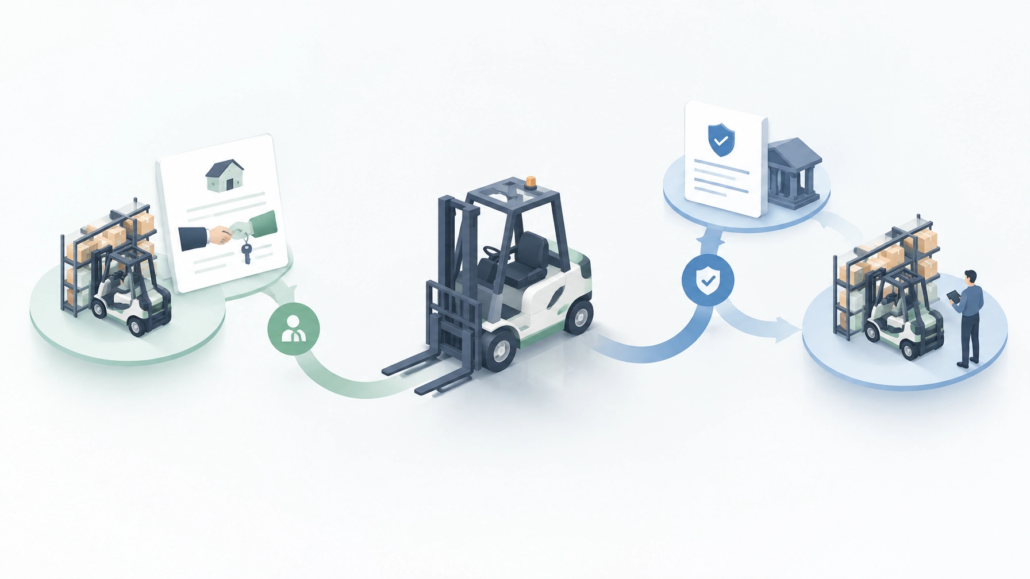
- Sale and leaseback: your business sells an asset it owns to a finance provider, receives the agreed sale proceeds and leases the asset back. Your business continues to use the equipment, but the finance provider owns it during the leaseback. Read our guide to sale and leaseback for more detail.
- Equipment refinance: your business borrows against an asset it owns, using the asset as security while retaining ownership. The loan is repaid under agreed terms. Our equipment refinance guide explains this option in more detail.
In either case, the amount available depends on the asset and the lender’s assessment. The arrangements have different legal structures, so it’s worth comparing more than just the initial cash released.

Sale and leaseback vs equipment refinance: at a glance
Which differences are most relevant to your business? This table is a starting point; exact terms depend on the agreement and the circumstances.
| Consideration | Sale and leaseback | Equipment refinance |
|---|---|---|
| Ownership during the agreement | The finance provider owns the asset; your business leases and uses it. | Your business retains ownership; the asset secures the borrowing. |
| Ownership after the agreement | Depends on the lease terms. Your business may have options such as returning the asset or extending the arrangement; ownership does not automatically return. | Once the borrowing is repaid, your business remains the owner, subject to the agreement and any security being released. |
| Tax treatment | The sale is a disposal. Capital allowances and lease treatment depend on the transaction and applicable rules. | Retaining ownership generally means the borrowing itself is not a disposal of the asset. |
| Cash released | Agreed sale proceeds, based on the asset and the funder’s assessment. | A loan amount based on the asset, the business and the lender’s criteria. |
| Use of funds | Typically flexible, subject to the agreement and lender requirements. | Typically flexible, subject to the agreement and lender requirements. |
| Who it may suit | A business comfortable with transferring ownership in return for a leaseback. | A business that wants to retain ownership while borrowing against an asset. |
When might sale and leaseback suit you better?
Would transferring ownership be acceptable if your business could continue using the equipment?
Sale and leaseback may be worth considering if:
- You want to release value from assets already in use without moving them from your premises.
- You are comfortable with the finance provider owning the asset during the leaseback, and understand what your agreement says about the end of the term.
- You want to compare a leaseback structure with other ways of funding working capital or business plans.
- You have reviewed the disposal and lease implications with your accountant before agreeing to proceed.
The sale price and lease rentals both matter. Compare the cash you receive with the total cost and obligations over the full term.
When might equipment refinance suit you better?
Would retaining legal ownership be a priority for your business?
Equipment refinance may be a better fit if:
- You want to keep ownership while using the asset to support a borrowing arrangement.
- You need working capital but want the equipment to remain part of your business’s assets.
- You want to compare a secured loan with selling the asset and leasing it back.
- You are planning ahead for repayment, including the effect of repayments on cash flow and any other borrowing.
The asset and the business will both be assessed. The amount available, term and cost aren’t guaranteed and will depend on the lender’s criteria.
What do the two options have in common?
Are there important points to consider whichever route you choose?
Yes. In both cases:
- You take on a finance commitment. The cash released is not free money; you must meet the agreed payments.
- The arrangement is linked to the asset. The finance provider will assess its value and suitability, and the agreement may give it rights over the asset.
- The total repayable or paid over the term will usually exceed the cash released. Interest, fees and other charges may apply, so check the full cost.
- The asset will generally need to be free of existing finance. If another lender has rights over it, that finance may need to be settled and the position cleared before a new arrangement can complete. Ask the proposed funder how this would work.
The finance documents determine the precise rights and obligations. Make sure you understand what happens if payments are missed, the asset is damaged or you want to end the agreement early.
Tax and accounting: a brief note
Could the structure affect your tax position? It may, so treat this as a general summary, not tax or accounting advice.
With sale and leaseback, the asset is sold, so the disposal may affect the business’s capital allowances position. Depending on the relevant tax pool and transaction, a balancing charge or balancing allowance may arise. The leaseback’s treatment also depends on the lease structure and applicable rules.
With equipment refinance, your business generally retains ownership. The borrowing itself is not normally a disposal of the equipment, so it does not usually create a balancing adjustment simply because you have borrowed against the asset. Other tax and accounting considerations may still apply.
For background, see HMRC guidance on sale and leaseback and its 2026 capital allowances and balancing charges helpsheet. Ask your accountant to review your own circumstances before signing.

Frequently asked questions
Is sale and leaseback the same as refinancing?
Not exactly. Both can release cash from equipment your business already owns, but sale and leaseback transfers ownership to the finance provider and leases the asset back. Equipment refinance usually involves borrowing secured against the asset while your business retains ownership.
Which is cheaper?
There is no universal answer. The total cost depends on the asset, amount borrowed or released, term, fees, rentals and lender assessment. Compare the full amount payable and any end-of-term obligations, not only the initial cash.
Can I switch between the two?
Possibly, but it depends on the existing agreement, the asset’s value and condition, whether it is free of finance, and whether a lender is willing to offer a new arrangement. Check for settlement costs or other conditions before changing structures.
Does either affect my ability to borrow elsewhere?
It may. A lender could consider your existing commitments, cash flow and any security over your assets when assessing further borrowing. Tell prospective lenders about existing finance and ask your accountant or finance adviser to consider how a new commitment fits your wider plans.
Concluding: which option fits your business?
What matters most to you: retaining ownership, or selling the asset and leasing it back while continuing to use it? Sale and leaseback and equipment refinance can both help you release cash, but they differ in ownership, structure and potential tax treatment.
There is no single right answer. The best fit depends on your assets, budget, cash flow and plans. At WestWon, we work with multiple funders to help businesses navigate finance options. We arrange deals from £1,000 to £10m+ across 100+ asset types. Approvals are typically within 24 hours, and our fastest deal went from proposal to funds paid on the same working day. These are examples, not guarantees; timescales and availability depend on your circumstances and lender assessment.
To discuss your requirements, call 01494 611 456, email [email protected] or visit www.westwon.co.uk. WestWon Limited is an FCA-regulated credit broker, not a lender. Finance is subject to status, availability and the lender’s assessment.